
Multimodal dermatology AI · Clinical validation in progress

See skin cancer earlier.
Monitor every lesion.
Estimate depth, non-invasively.

DermaPrime is the AI Skin Intelligence Platform combining lesion classification, longitudinal monitoring and the world's first non-invasive melanoma depth prediction module — built for patients, dermatologists and research clinics.

iPhone & phone photo analysis — assesses 140+ skin conditions

95%
Accuracy · ISIC dataset*
±0.18mm
Depth MAE*
140+
Skin conditions · from phone photo

*Tested on the ISIC dataset — achieved 95% accuracy on the held-out validation set. Pending external clinical validation.

Lesion · L-2041

Dorsal left forearm · 4.2 mm

High suspicion
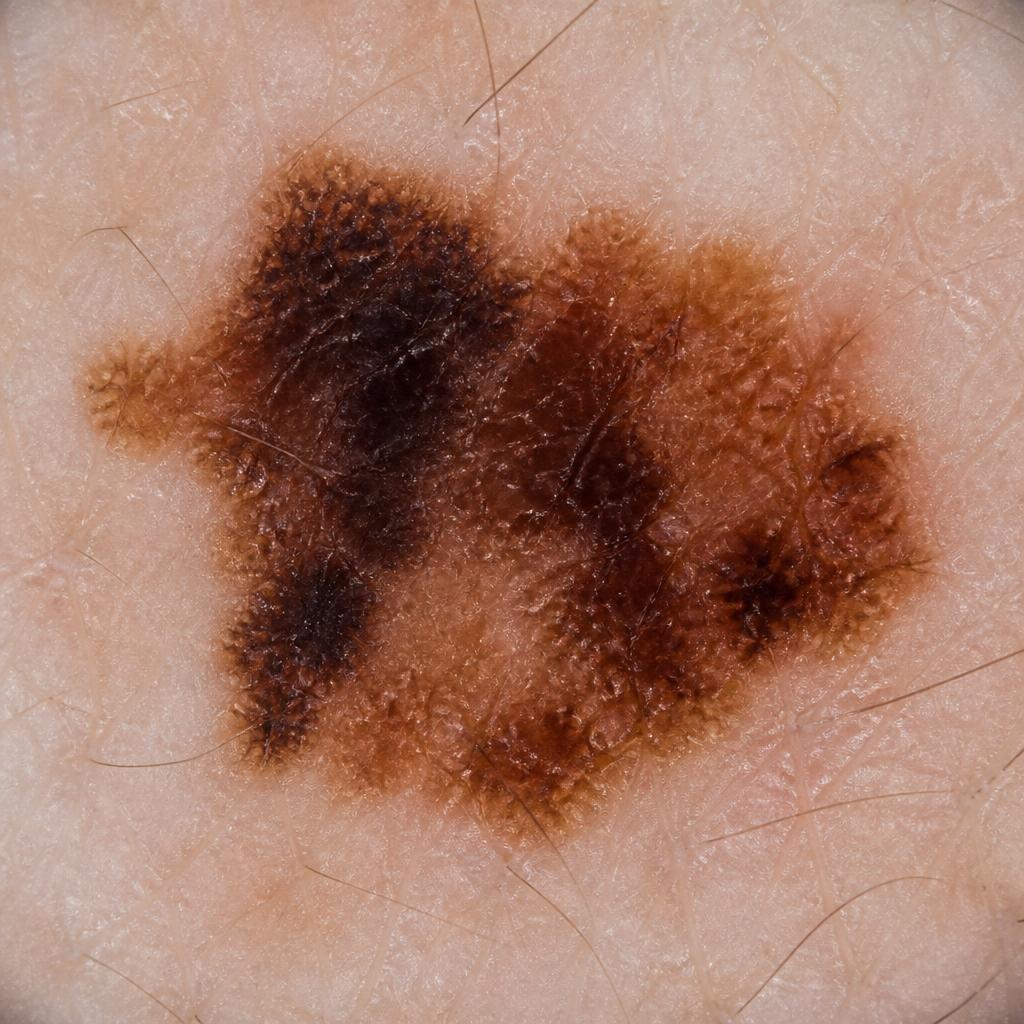
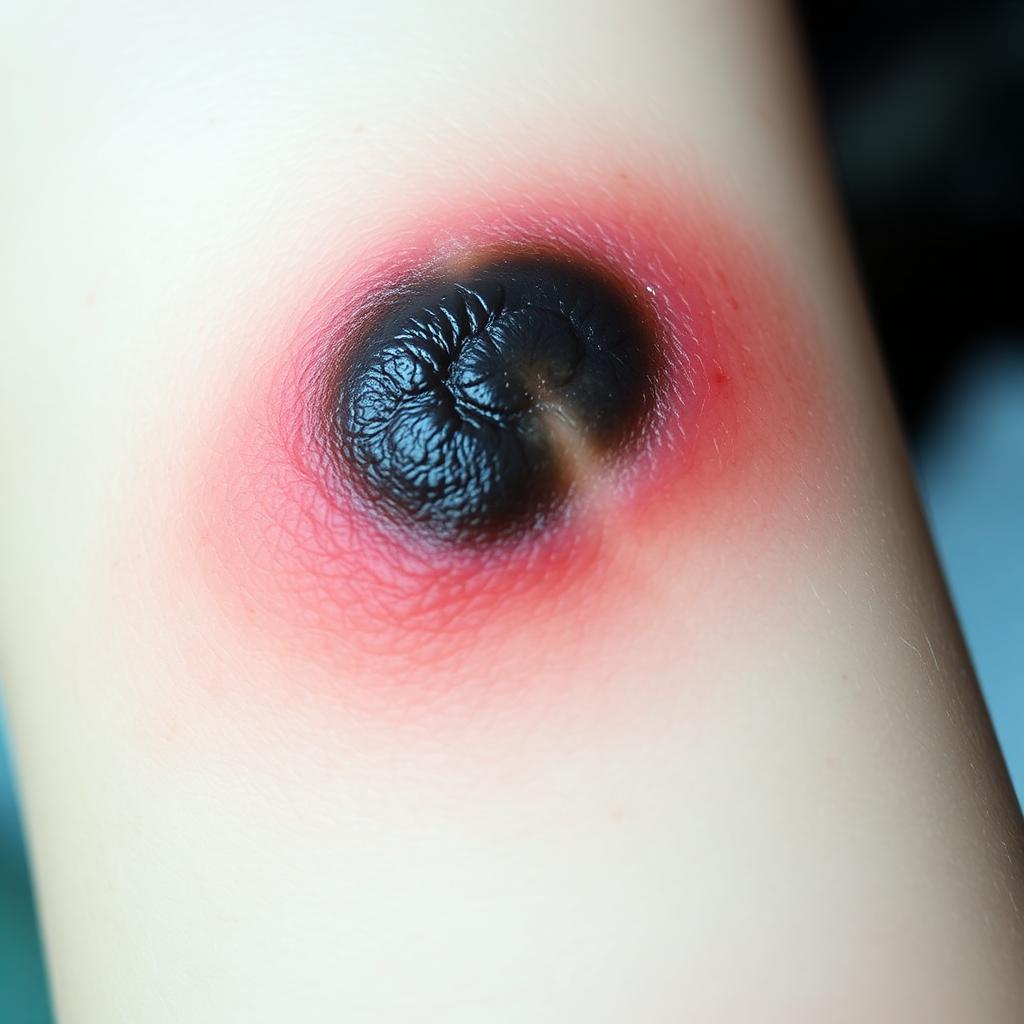
Dermoscopy image of suspicious melanoma lesion
attention
Explainable AI · GradCAM×40 dermoscopy

Predicted

Melanoma

87% confidence

Est. depth

0.45 mm

Early-stage candidate

AI estimation — does not replace histopathological examination. Consult a dermatologist for diagnosis.

Validation partners & data sources

ISIC ArchiveEADVMayo Clinic*Cracow Medical Hospitals*Stanford SOM*HIPAA · GDPR
Core AI Modules

Four clinical-grade modules, one platform

Built for the entire skin-lesion workflow — from a phone capture to a dermatologist's clinical decision.

Module 1

Lesion Classification

8-class taxonomy across dermoscopic and smartphone images with top-3 differential and calibrated confidence. Our AI can assess over 140 different skin conditions from a simple iPhone or phone photo, with primary focus on skin cancer detection.

Module 2

Longitudinal Monitoring

Side-by-side timeline, ABCDE change detection and automated progression alerts.

Flagship

Module 3

Melanoma Depth Prediction

Non-invasive Breslow depth estimation from dermoscopy — DermaPrime's core innovation.

Module 4

Explainable AI

Heatmaps, attention maps and natural-language rationales for every prediction.

Product · Deep dive

Inside the four modules that power DermaPrime

Each module is a stand-alone AI capability — together they cover the entire skin-lesion workflow, from a phone capture to a clinical decision.

Lesion ClassificationModule 1 · Classification

Module 1 · Classification

Lesion Classification

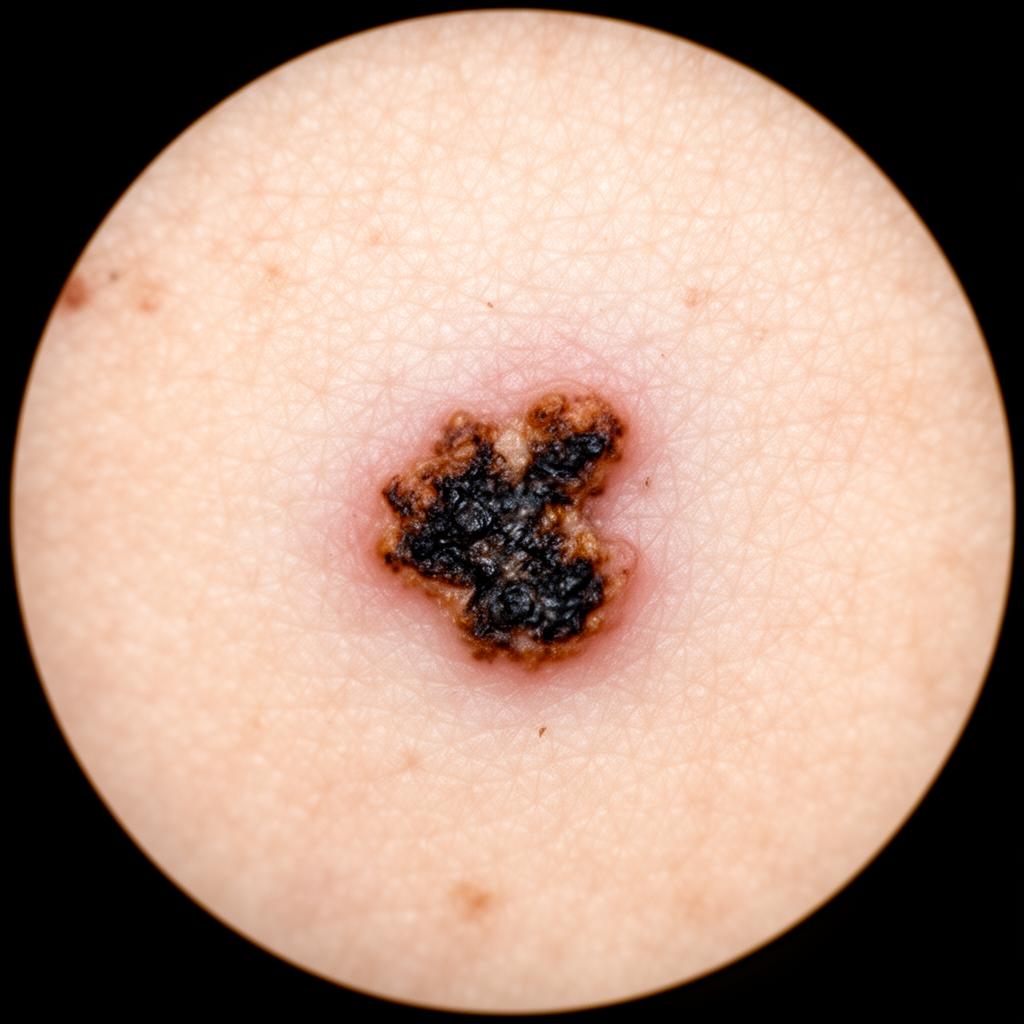
An 8-class dermatology taxonomy that distinguishes melanoma, basal cell carcinoma, squamous cell carcinoma, actinic keratosis, benign nevi, seborrheic keratosis, vascular lesions and dermatofibromas — with calibrated confidence and a top-3 differential.

  • Works on both dermoscopic and smartphone images (140+ skin conditions covered)
  • Top-3 differential diagnoses with probability bars
  • Temperature-calibrated confidence — no over-confident outputs
  • Built-in 'not skin' detector rejects non-clinical photos

95%

Accuracy · ISIC validation set

8 + 140

Cancer classes · skin conditions

Longitudinal MonitoringModule 2 · Longitudinal Monitoring

Module 2 · Longitudinal Monitoring

Longitudinal Monitoring

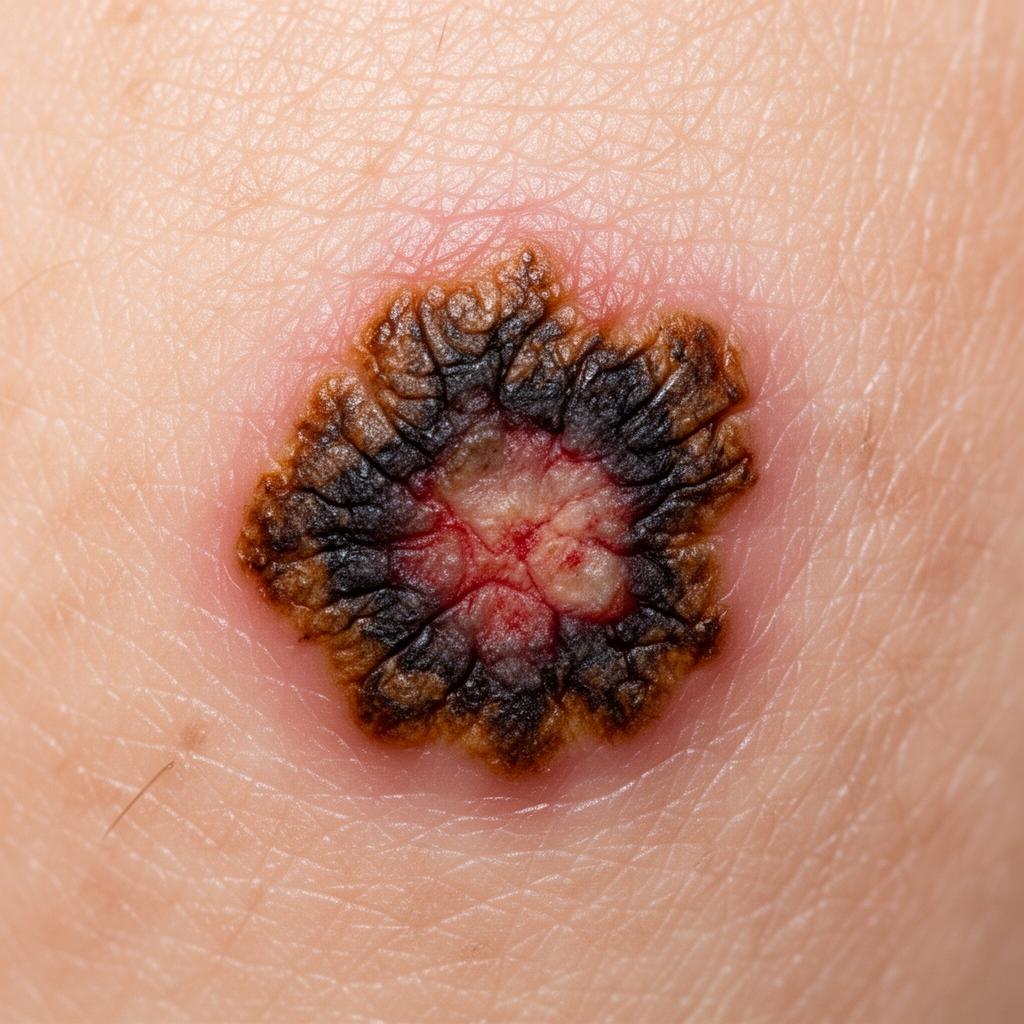
Track every lesion over time. DermaPrime aligns serial photos of the same site, scores ABCDE evolution and surfaces meaningful change before it becomes urgent.

  • Side-by-side timeline of every scan per lesion entry
  • AI-driven change detection: size, border, color, new features
  • Automatic progression alerts (improving / stable / worsening)
  • Reminders, body-area tagging and personal notes per entry

1 in 5

People develop skin cancer

Δ ABCDE

Quantified between scans

Melanoma Depth PredictionModule 3 · Depth Prediction

Module 3 · Depth Prediction

Melanoma Depth Prediction

DermaPrime's flagship innovation: a non-invasive Breslow-depth estimate from a single dermoscopic image — the prognostic factor that historically required excision and histopathology.

  • Continuous depth regression (mm) with uncertainty range
  • Visual depth heatmap highlighting deeper pigmented regions
  • Risk stratification aligned with AJCC T1a / T1b / T2+ thresholds
  • Decision-support only — never replaces histopathological diagnosis

±0.18 mm

Depth MAE (research)

T1–T4

AJCC stage mapping

Explainable AIModule 4 · Explainable AI

Module 4 · Explainable AI

Explainable AI

Every prediction comes with a visual and textual rationale. Clinicians and patients can see exactly which regions and dermoscopic features drove the model's decision.

  • GradCAM-style attention heatmaps overlaid on the original photo
  • Plain-language explanation of the visible dermoscopic features
  • ABCDE breakdown with per-axis scores 0–10 and rationale
  • Auditable trail — every score, feature and probability is stored per scan

100%

Predictions with rationale

5 axes

ABCDE quantified per scan

Know your skin

140+ skin conditions, one AI triage layer

DermaPrime is trained to recognize the visual patterns of common skin diseases — not just melanoma. Here's a glimpse of the families we cover.

Benign growths

Non-cancerous lesions that usually don't require treatment, but can mimic cancer visually — which is why AI triage matters.

  • Common moles (nevi)
  • Seborrheic keratosis
  • Skin tags
  • Cherry angiomas
  • Dermatofibromas

Inflammatory conditions

Recurring inflammatory diseases that affect 1 in 4 people. Tracking flare-ups over time helps tailor treatment.

  • Eczema / atopic dermatitis
  • Psoriasis
  • Rosacea
  • Contact dermatitis
  • Acne & folliculitis

Pigmented lesions

Pigmented lesions that should be monitored over time — atypical nevi can be precursors to melanoma.

  • Atypical / dysplastic nevi
  • Lentigines (sun spots)
  • Café-au-lait spots
  • Melasma

Suspicious / pre-cancerous

Lesions that warrant a dermatologist review — early detection drastically changes outcomes.

  • Actinic keratosis
  • Bowen's disease
  • Atypical pigmented network
  • Rapidly evolving moles

DermaPrime provides decision-support, not a medical diagnosis. Any suspicious or changing lesion should be reviewed by a qualified dermatologist.

Understanding skin cancer

Why early detection changes everything

1 in 5 people will develop skin cancer in their lifetime. When caught early, 5-year survival exceeds 95%. When caught late, it drops below 30%.

Basal cell carcinoma (BCC)

~80% of skin cancers

Most common — slow-growing, rarely metastasizes, highly curable when caught early.

Squamous cell carcinoma (SCC)

~15% of skin cancers

Can spread if untreated. Often arises from actinic keratosis on sun-exposed skin.

Melanoma

~5% of skin cancers · ~75% of deaths

The most dangerous form. Early-stage melanoma is highly treatable — late-stage is not. Depth (Breslow) is the #1 prognostic factor.

The ABCDE rule

The visual self-check used by dermatologists worldwide. DermaPrime scores every photo on these five axes automatically.

  • A

    Asymmetry

    One half doesn't match the other.

  • B

    Border

    Edges are irregular, ragged, notched, or blurred.

  • C

    Color

    Multiple colors — brown, black, red, white, or blue tones.

  • D

    Diameter

    Larger than 6 mm (about a pencil eraser), though smaller can be malignant.

  • E

    Evolution

    Any change in size, shape, color, elevation, or new symptoms (itch, bleed).

Melanoma stages & 5-year survival

AJCC staging is driven by tumor depth (Breslow), ulceration and spread. The earlier the stage, the better the prognosis.

Stage 0

Melanoma in situ

Confined to epidermis (no depth)

≈ 99%
Stage I

Early invasive

≤ 2.0 mm Breslow, no ulceration

≈ 95%
Stage II

Intermediate

1.0–4.0+ mm or ulcerated

≈ 65–80%
Stage III

Regional spread

Lymph node involvement

≈ 40–70%
Stage IV

Distant metastasis

Spread to organs

≈ 15–30%

Survival figures are illustrative averages (AJCC 8th edition, US/EU data). Individual prognosis varies.

Interactive depth simulation

See what Breslow depth actually means

Drag the slider to see how invasion depth changes the AJCC stage, recommended care pathway and survival outlook.

Simulated Breslow depth

0.60 mm

T1 · Stage I
0 mm · in situ1 mm2 mm3 mm4 mm5+ mm

Clinical implication

Thin melanoma. Wide local excision; sentinel node biopsy may be considered if ≥0.8 mm or ulcerated.

Educational simulation. Real staging requires histopathology and is performed by a qualified dermatologist or oncologist.

Skin cross-section · invasion depth

Epidermis0.1 mm
Papillary dermis0.4 mm
Reticular dermis2.5 mm
Subcutaneous fat2.0 mm
0.60 mm

Stylized histopathology view: as Breslow depth increases, pigmented melanocyte nests invade deeper through the dermis. The dashed red line marks current measured depth.

Flagship innovation

Non-invasive Breslow depth prediction

A dedicated deep-learning module estimates melanoma invasion depth directly from a dermoscopic image — providing clinicians with crucial pre-biopsy staging information that historically required excision.

  • Continuous depth regression with calibrated confidence intervals
  • Visual heatmap of depth-contributing regions
  • Risk stratification aligned with AJCC staging (T1a / T1b / T2+)
  • Designed for prospective clinical validation studies

Depth prediction · Case L-2041

AI · DermaDepth v0.6

Estimated depth

0.45 mm

Confidence

87%

AJCC stage

T1a candidate

Recommendation

Refer dermatologist

Depth distribution (mm)

DermaDepth provides an AI estimation. Definitive Breslow depth requires histopathological examination of the excised lesion.

Built for the entire skin-cancer pathway

One platform · three experiences

Patients

Pocket dermatology

  • iPhone / phone photo · 140+ conditions assessed
  • Lesion timeline & reminders
  • Request dermatologist review
  • Educational risk content
Open patient app

Dermatologists

AI-assisted workspace

  • Patient roster & cases
  • Side-by-side comparison
  • Depth & risk stratification
  • PDF reports & teledermatology
Open clinician workspace

Clinics & Research

Enterprise & studies

  • Multi-site management
  • API & white-label
  • Cohort analytics
  • Audit logs & HIPAA / GDPR
Open founder dashboard
Scientific foundation

Built on dermatology's most rigorous datasets

Our models are trained and benchmarked on the ISIC dataset — the global reference archive for dermoscopic imaging — achieving 95% accuracy on the held-out validation set. We follow ISBI/ISIC reporting standards and design our pipeline for prospective clinical validation.

180k+

Training images

8

Lesion classes

3

Clinical sites (pilot)

2025–26

CE / FDA pathway

DermaPrime's depth prediction module pushes melanoma triage years ahead of current non-invasive tools.
Prof. M. Lambert · Dermatology research lead*
Longitudinal monitoring is what we've been missing in primary care. This makes it routine.
Dr. A. Costa · Hospital dermatologist*

*Advisory and pilot partners. Logos and full clinical results published after validation completion.

Pricing

Freemium for patients · subscription for clinicians

Scalable from individual users to national screening programs.

Free

Try DermaPrime risk-free.

€0/month
  • 1 AI skin check per month
  • Basic classification (benign / suspicious)
  • Education modules
  • Phone-camera support
Most popular

Pro

For individuals who want continuous peace of mind.

€14.99/month
  • Unlimited AI skin checks
  • Longitudinal monitoring & alerts
  • Depth (Breslow) prediction
  • Explainable AI heatmaps
  • Full PDF reports for your doctor

Clinic

For dermatology practices and telemedicine.

€39.99/month
  • Everything in Pro
  • Multi-patient dashboard
  • Clinician sharing & second opinions
  • White-label PDF reports
  • API access
  • Dedicated account manager

Clinic / Enterprise

Multi-site, API & white-label.

Custom
  • Unlimited seats
  • API & integrations
  • White-label
  • Dedicated support
  • Custom reporting
Investor brief

A SaaS + clinical-grade AI play in one of healthcare's largest underserved markets.

DermaPrime targets PRIME/FNP commercialization, venture financing and international expansion through a freemium patient funnel paired with high-ARPU clinician subscriptions.

€11B

Global dermatology AI TAM by 2030

1 in 5

People develop skin cancer in their lifetime

5 yr

Roadmap to multimodal foundation model

B2B2C

Patient, clinician, enterprise revenue

FAQ

Frequently asked questions

Is DermaPrime a medical device?+

DermaPrime is currently research-use software. We are pursuing CE-marking (MDR Class IIa) and FDA pathway in parallel. Outputs are decision-support and do not replace clinical diagnosis.

How is the depth prediction module trained?+

Our DermaDepth model is trained on paired dermoscopic images and corresponding histopathological Breslow depth measurements, with regression heads calibrated on multi-site cohorts.

What about patient data privacy?+

DermaPrime is built HIPAA- and GDPR-aligned. All images are encrypted at rest and in transit. De-identification is applied before any research use.

Can clinics integrate DermaPrime with their EHR?+

Yes. Enterprise plans include REST APIs, FHIR integration roadmap and white-label deployments for hospital networks.

Ready to see your skin in a new light?

Join the early access program for patients, dermatologists and research partners.